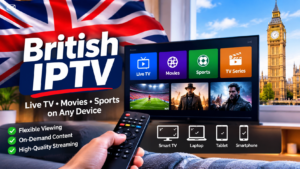

Live TV Live TV: The Complete Guide to Watching Live Television Online
Live TV allows viewers to watch television channels, news, sports, entertainment, movies, and special events in real time through an internet connection. Instead of relying exclusively on traditional cable or satellite subscriptions, modern viewers can access live television through smart TVs, streaming devices, computers, tablets, and smartphones.
The way people consume television has changed significantly over the last decade. Today, convenience, flexibility, and accessibility are becoming essential parts of the viewing experience. Whether you enjoy international news, live sports, documentaries, or family entertainment, live TV streaming provides different ways to access your favorite programming.
In this comprehensive guide, we will explore how live TV works, its main benefits, available channel categories, compatible devices, internet requirements, and important factors to consider when choosing a streaming service.
What Is Live TV?
Live TV refers to television programming broadcast in real time. Unlike on-demand content, which viewers can start whenever they want, live television follows a scheduled broadcasting format.
For example, when watching a football match, a breaking news report, or a live concert, viewers receive the broadcast as the event happens.
Traditionally, live television was delivered through cable networks, antennas, and satellite connections. However, internet technology has introduced additional ways to distribute television channels.
How Does Live TV Streaming Work?
Live TV streaming uses internet technology to deliver video and audio content directly to compatible devices.
The general process involves several steps:
- Content production: Television networks produce news programs, sports broadcasts, entertainment shows, and other content.
- Encoding: Video and audio signals are converted into digital formats suitable for internet distribution.
- Content delivery: Streaming infrastructure distributes video streams to viewers.
- Internet connection: The viewer’s device receives video data through an internet connection.
- Playback: A compatible application or platform processes the stream and displays the television program.
Many streaming platforms use adaptive bitrate technology to adjust video quality according to available internet bandwidth.
Live Television vs. On-Demand Streaming
Although both technologies use internet connections, live television and video-on-demand offer different viewing experiences.
| Feature | Live TV | Video on Demand |
|---|---|---|
| Viewing format | Real-time broadcasting | Watch anytime |
| Content schedule | Usually scheduled | Flexible |
| Live sports | Yes, where available | Generally replays |
| Breaking news | Real-time updates | Recorded coverage |
| Playback control | Often limited | Usually flexible |
| Viewing experience | Similar to traditional television | Personalized viewing |
Why Is Live TV Streaming Becoming More Popular?
Internet-based television has become increasingly attractive because viewers want more control over how and where they watch content.
Traditional television services often involve fixed installation requirements, equipment, and subscription packages. Online streaming introduces another option that can be more flexible depending on the provider.
1. Watch Television Anywhere
One of the biggest advantages of live TV streaming is accessibility.
With a suitable internet connection, viewers can watch television using different devices and locations.
- Watch the morning news on your smartphone.
- Enjoy sports on a smart television.
- Follow international programs on a laptop.
- Watch entertainment while traveling.
- Access television channels from different rooms in your home.
2. Access Different Channel Categories
Modern television platforms may offer access to multiple programming categories.
- International news channels.
- Sports networks.
- Movies and entertainment.
- Documentary channels.
- Children’s programming.
- Educational television.
- Music channels.
- Lifestyle and cooking programs.
- Regional television networks.
Having different categories available through one platform can make content discovery easier. However, channel availability varies between providers, countries, and subscription packages.
3. Flexible Viewing Experience
Internet-based live television can provide additional features that traditional broadcasting may not offer.
- Electronic Program Guides (EPG).
- Favorite channel lists.
- Multiple language options.
- Parental control settings.
- Catch-up television.
- Multi-device compatibility.
4. Convenient Device Compatibility
Many modern households use several connected devices. A good live TV platform should offer a straightforward viewing experience across supported devices.
Popular Types of Live TV Channels
The variety of available programming is one of the main attractions of modern television services. Different viewers have different interests, so understanding channel categories can help you identify the type of platform that meets your expectations.
Sports Channels
Sports remain one of the most popular reasons people watch live television. Live broadcasts allow fans to follow sporting events as they happen, including competitions, tournaments, and international championships.
- Football.
- Basketball.
- Tennis.
- Rugby.
- Cricket.
- Motorsports.
- Athletics.
- Combat sports.
For sports fans, important features include stable streaming, good video quality, accurate broadcasting schedules, and reliable access during major events.
Important: Always verify that a provider has the appropriate broadcasting rights for the sporting competitions it offers.
News Channels
News channels help viewers stay informed about national and international developments. They provide real-time reporting, interviews, political discussions, weather updates, and financial news.
- International news.
- Business and financial news.
- National news.
- Weather and environmental updates.
- Technology news.
- Political analysis.
Entertainment Channels
Entertainment programming offers something for almost every audience. Depending on the channel and broadcasting rights, viewers may find talk shows, reality television, celebrity interviews, comedy programs, competition shows, lifestyle content, and cultural programming.
Movie Channels
Movie channels provide scheduled film programming across different genres, including:
- Action movies.
- Drama.
- Comedy.
- Romance.
- Science fiction.
- Thrillers.
- Classic cinema.
- Family movies.
Some services also combine live movie channels with separate on-demand libraries.
Kids and Educational Channels
Families may also be interested in television channels designed for children and educational audiences.
These can include animated programs, educational documentaries, science content, language-learning programs, nature documentaries, and age-appropriate entertainment.
Parents should look for platforms that provide parental controls and clearly organized content categories.
Read more: IPTV for Kids: A Guide for Families.
Live TV and IPTV: Understanding the Difference
The terms live TV and IPTV are sometimes used interchangeably, but they do not mean exactly the same thing.
Live TV describes a viewing format in which programming is broadcast in real time. IPTV, or Internet Protocol Television, describes a method of delivering television content through internet protocol networks.
In other words, live television is a type of content experience, while IPTV is one of the technologies that can deliver it.
What Is IPTV?
IPTV delivers television programming through internet protocol networks rather than relying exclusively on traditional terrestrial, satellite, or cable broadcasting.
Depending on the platform, IPTV can support several content formats:
- Live television: Real-time television broadcasts.
- Video on demand: Movies and programs available whenever viewers choose.
- Time-shifted television: Features that allow viewers to access previously broadcast programming.
These formats can provide a more flexible alternative to conventional television distribution.
Live TV vs. IPTV
| Category | Live TV | IPTV |
|---|---|---|
| Definition | Real-time television programming | Internet protocol delivery technology |
| Delivery method | Cable, satellite, antenna, or internet | IP networks |
| Content types | Primarily scheduled broadcasts | Live, on-demand, and time-shifted |
| Internet required | Depends on delivery method | Generally yes |
| Device compatibility | Depends on broadcasting method | Compatible IP-enabled devices |
An important distinction is that IPTV technology itself does not automatically guarantee legal access to every channel. A legitimate provider must have the necessary authorization to distribute the content it offers.
Best Devices for Watching Live TV Online
One of the advantages of internet television is that viewers can use different devices depending on their preferences.
Smart TVs
Smart TVs are among the most convenient devices for watching live television. Many modern televisions include built-in operating systems that support streaming applications.
- Samsung Tizen.
- LG webOS.
- Google TV.
- Android TV.
Before subscribing to a service, verify that its official application is compatible with your television model.
Amazon Fire TV Devices
Amazon Fire TV streaming devices can turn compatible televisions into connected entertainment systems. They support various streaming applications and provide access to different digital entertainment services.
Android TV Devices
Android TV and Google TV devices offer access to a wide selection of applications through supported app stores. They can provide a convenient solution for users who want to combine live television, movies, music, and other streaming services.
Smartphones and Tablets
Mobile devices make television more portable. With a compatible application and a reliable internet connection, viewers can access supported live broadcasts while away from home.
Computers and Laptops
Computers offer another convenient way to access live television. Many legitimate streaming providers support browser-based viewing, eliminating the need to install additional applications.
Internet Speed Requirements for Live TV
Internet speed is an important factor when streaming television. A slow or unstable connection can cause buffering, reduced picture quality, interruptions, and playback problems.
The following figures are general planning estimates rather than guarantees. Actual requirements vary according to video compression, network congestion, and provider recommendations.
| Streaming Quality | Suggested Internet Speed |
|---|---|
| Standard Definition (SD) | 3–5 Mbps |
| High Definition (HD) | 5–10 Mbps |
| Full HD (1080p) | 10–15 Mbps |
| 4K Ultra HD | 25 Mbps or higher |
How to Improve Live TV Streaming Quality
If you experience buffering or interruptions, several simple adjustments may help.
- Use a stable internet connection: A reliable broadband connection is generally preferable to an unstable mobile connection.
- Connect through Ethernet: If possible, connect your smart TV or streaming device directly to your router using an Ethernet cable.
- Improve Wi-Fi coverage: Position your router in a central, open location rather than hiding it behind furniture.
- Reduce network congestion: Multiple devices downloading large files or streaming high-resolution videos can affect available bandwidth.
- Restart your equipment: Restarting your router and streaming device can sometimes resolve temporary network problems.
- Update your applications: Keep your television operating system and streaming applications updated.
External resource: FCC Broadband Information.
Important Features to Look for in a Live TV Service
Not all streaming services provide the same experience. Before selecting a subscription, it is important to compare features, content availability, technical performance, and customer support.
Channel Availability
Start by checking whether the service offers the channels you actually want to watch.
- Availability of your preferred channels.
- Regional and international coverage.
- Sports broadcasting options.
- Language availability.
- Channel organization.
- Content licensing.
Streaming Stability
Streaming stability is particularly important when watching live events. Unexpected interruptions can affect the viewing experience, especially during sports competitions and breaking news coverage.
Video Quality
Video resolution affects picture clarity. For larger televisions, HD and Full HD streaming can provide a noticeably better experience than standard definition.
Electronic Program Guide (EPG)
An Electronic Program Guide helps viewers understand what is currently playing and what is scheduled next.
- Channel names.
- Program titles.
- Broadcasting times.
- Upcoming schedules.
- Clear navigation.
Customer Support
A professional provider should offer clear communication channels and useful troubleshooting information. Before purchasing a subscription, check whether support is available through email, live chat, or another official communication method.
Transparent Pricing
Always review subscription conditions before making a payment.
- Clear subscription prices.
- Renewal conditions.
- Available payment methods.
- Cancellation policies.
- Refund terms.
- Supported devices.
Avoid providers that make unrealistic promises or hide important subscription conditions.
How to Choose a Reliable Live TV Provider
Choosing the right service requires more than comparing channel numbers and monthly prices. A responsible selection process should consider content rights, service quality, privacy, compatibility, and customer support.
- Identify your viewing preferences: Decide which channels and programming categories matter most to you.
- Check broadcasting rights: Verify that the provider is authorized to distribute the channels and programs included in its subscription.
- Review supported devices: Make sure the platform works with your smart TV, streaming device, smartphone, or computer.
- Test your internet connection: Check your broadband speed and stability before subscribing.
- Read customer reviews: Look for independent feedback about reliability, customer service, billing transparency, and technical performance.
- Review subscription conditions: Understand the pricing, renewal terms, cancellation process, and refund policy.
- Start with a suitable subscription: If a provider offers a legitimate trial, use it to evaluate the service before committing to a longer subscription.
Live TV for Different Types of Viewers
Different audiences have different expectations when watching television. Understanding these needs can help you choose a suitable platform.
Live TV for Sports Fans
Sports fans often want immediate access to important competitions and sporting events. A suitable service should provide authorized sports coverage, reliable streaming, and accurate broadcasting schedules.
Live TV for Families
Families generally benefit from a variety of programming categories. A household may want access to entertainment, news, educational programs, and age-appropriate children’s content.
Parental controls are particularly important when children use connected television devices independently.
Live TV for International Viewers
People living outside their home countries may want access to television programming in their preferred language. International broadcasters and authorized regional streaming platforms can help viewers stay connected with news, culture, and entertainment from different parts of the world.
Live TV for Travelers
Travelers often prefer flexible entertainment options that do not require traditional television installations. Streaming through smartphones, tablets, and laptops can be convenient when reliable internet access is available.
Common Live TV Streaming Problems and Solutions
Even reliable streaming platforms can occasionally experience technical problems. Understanding common issues can help viewers solve them more efficiently.
Buffering During Playback
Buffering occurs when the device cannot receive video data quickly enough to maintain continuous playback.
Possible solutions include:
- Checking internet speed.
- Restarting the router.
- Switching to a wired connection.
- Closing unnecessary applications.
- Reducing streaming resolution.
Application Not Working
If a streaming application fails to open, try the following:
- Restart the application.
- Check for software updates.
- Restart your device.
- Verify your internet connection.
- Reinstall the application if necessary.
Only download applications from official or trusted sources.
Black Screen During Streaming
A black screen can result from compatibility issues, playback errors, outdated applications, or temporary service interruptions. Check whether other channels or applications work correctly. If the problem continues, contact the official service provider.
Poor Picture Quality
Poor video quality can be caused by limited bandwidth, network congestion, or automatic resolution adjustments. Try improving your Wi-Fi connection or lowering the playback resolution.
Channels Not Available
Some channels may become unavailable because of broadcasting restrictions, licensing changes, or temporary technical problems. Contact the provider to confirm whether the channel is included in your subscription and available in your region.
Is Live TV Streaming Safe and Legal?
Live TV streaming is a legitimate way to watch television when the service distributes content with the appropriate authorization.
However, not every website or application offering television channels has the necessary broadcasting rights. Some unauthorized services may advertise extremely large channel collections at unusually low prices.
Before using a platform, consider the following precautions:
- Choose established and authorized streaming providers.
- Verify the company’s identity and contact information.
- Review its privacy policy.
- Check the legitimacy of its broadcasting rights.
- Avoid suspicious application downloads.
- Never share payment information through untrusted websites.
- Use secure payment methods.
- Review subscription and cancellation conditions.
Protecting Your Privacy While Streaming
Connected television devices and streaming applications may collect information about usage, device identifiers, and viewing preferences.
Good privacy practices include:
- Reviewing application permissions.
- Using strong account passwords.
- Keeping device software updated.
- Avoiding suspicious links.
- Checking privacy settings.
- Downloading applications from trusted stores.
For additional information, consult the FTC consumer privacy and online security resources.
The Future of Live TV
Television technology continues to evolve as internet infrastructure, connected devices, and digital broadcasting improve.
Higher Streaming Resolutions
As internet speeds improve and compatible devices become more accessible, high-resolution streaming will continue to develop. 4K content is already available through selected platforms.
Personalized Television Experiences
Streaming platforms increasingly use recommendation systems to help viewers discover relevant content. Future television interfaces may provide more personalized channel recommendations, viewing suggestions, and content organization.
Cloud-Based Television Services
Cloud infrastructure makes it possible to distribute and manage television content without relying entirely on traditional local broadcasting equipment. This technology can help streaming platforms improve scalability and content delivery.
Improved Device Integration
Connected televisions, smartphones, voice assistants, and smart home devices are becoming increasingly integrated. This may create more convenient ways to discover and control television programming.
Hybrid Television Experiences
The distinction between traditional television and internet streaming is becoming less significant. Many households now combine broadcast television, subscription streaming platforms, and on-demand entertainment.
Frequently Asked Questions About Live TV
1. What is live TV streaming?
Live TV streaming is the delivery of television broadcasts over the internet in real time. It allows viewers to watch news, sports, entertainment, and other scheduled programming on compatible devices.
2. Can I watch live TV without cable?
Yes. Many authorized streaming services provide access to live television through internet connections without requiring a traditional cable subscription. Availability depends on your location and the provider.
3. Can I watch live TV on my Smart TV?
Yes. Many smart televisions support streaming applications that provide access to authorized live television channels. Check the application compatibility of your television before subscribing.
4. Is live TV available on smartphones?
Yes. Many streaming platforms offer applications for compatible Android and iOS devices. A reliable internet connection is recommended for smooth playback.
5. How much internet speed do I need for live TV?
For standard HD streaming, approximately 5–10 Mbps may be sufficient for an individual stream. For 4K content, a connection of 25 Mbps or higher is generally recommended.
6. What is the difference between live TV and on-demand content?
Live TV follows a broadcasting schedule, allowing viewers to watch programs as they happen. On-demand content can be played whenever the viewer chooses.
7. Is IPTV the same as live TV?
No. IPTV is a technology for delivering television content through internet protocol networks, while live TV refers to programming broadcast in real time.
8. Do I need a special device to watch live TV online?
Not necessarily. Many services support smart TVs, computers, smartphones, tablets, and compatible streaming devices. The exact requirements depend on the platform.
9. Can I watch international live TV channels?
Yes. Some authorized services offer international programming, although availability depends on geographic restrictions and broadcasting agreements.
10. Why does live TV sometimes buffer?
Buffering usually happens when the internet connection cannot deliver video data quickly enough. Network congestion, weak Wi-Fi signals, and device performance can also contribute to playback problems.
11. Is live TV streaming legal?
Live TV streaming is legal when the provider has the necessary authorization to distribute the content. Always verify a platform’s legitimacy before purchasing a subscription.
12. Can I watch live TV while traveling?
Many services support mobile streaming, allowing viewers to watch television while traveling. However, regional restrictions, licensing agreements, and mobile data costs may affect availability.
Final Thoughts: Enjoy a More Flexible Live TV Experience
Live television continues to play an important role in modern entertainment, even as digital streaming changes how people access their favorite programs.
From international news and live sports to movies, documentaries, and family entertainment, internet-based television offers additional flexibility for viewers who want to enjoy content across different devices.
Choosing the right platform requires careful consideration of broadcasting rights, streaming quality, device compatibility, internet requirements, pricing, and customer support.
Rather than focusing only on the number of available channels, look for a service that provides a reliable, secure, and transparent viewing experience.
Whether you prefer watching television on a large Smart TV or following your favorite programs on a smartphone, the right streaming solution can make entertainment more accessible and convenient.
Ready to Explore the World of Live TV?
Discover the available streaming options, compare their features, and choose a legitimate service that matches your entertainment preferences.
Have questions about live television or streaming technology? Contact our team or explore our other guides to learn more!
“`